


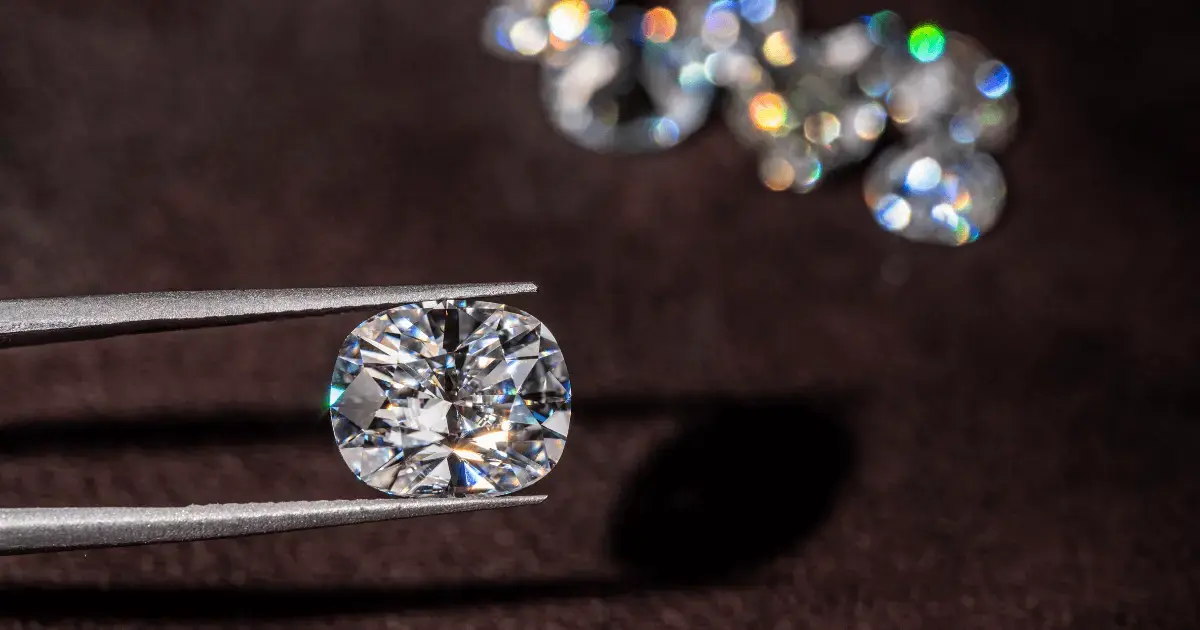
Nowadays more people choose diamonds made in labs, changing how we think about gemstones. Born underground through nature’s long work, traditional stones contrast with these newer versions – built in rooms full of machines. High-tech methods copy Earth’s heat and pressure, giving rise to crystal structures identical in makeup yet different in origin. Shoppers looking for sparkle, honesty, and care for the planet find a match here, one that doesn’t ask them to give anything up.
Lab Grown Diamonds Explained?
Real in every way, buy lab grown diamonds go by names like synthetic or man-made. Identical in structure, they match natural stones atom for atom. Their makeup? Same hardness, same sparkle, same carbon crystal layout. What sets them apart is where they come from. Weeks or months pass while scientists grow them above ground using advanced methods. Meanwhile, earth-mined gems need eons, forged slowly beneath layers of rock under crushing heat and weight. Time bends differently depending on which path forms the stone.
One way to make diamonds in a lab starts with a small piece of diamond placed into hot carbon. Another method uses gases inside a chamber that build up layers on a surface over time
- A chunk of carbon gets squeezed hard while blasted with extreme heat. That’s how HPHT copies what happens deep underground where diamonds grow. The force packs atoms into a crystal shape just like nature intended.
- A single crystal of diamond begins life inside a tight space where gases swirl. There, carbon-laden vapor sticks to the starter piece, bit by bit. Over time, atoms build up in neat ranks. The structure grows, not mined but made. Each layer settles under careful conditions. What emerges looks like stone dug deep underground – yet it forms above ground, step by quiet step.
One way or another, these processes create stones so close to natural diamonds that only experts with special tools can tell them apart.
Laboratory Created Diamonds Offer Ethical and Cost Advantages
- Priced lower, lab-made stones often cost between twenty and forty percent less than natural ones that match in size and grade. Because of this difference, shoppers might choose a bigger or better gem without spending more. A smaller price tag opens doors usually closed by traditional options.
- From a lab instead of a mine, these diamonds sidestep damage to ecosystems and communities. Workers aren’t pushed into harsh conditions just to produce them. Land stays intact, untouched by deep digging or pollution. Human cost drops when stones form under controlled settings.
- A single certificate travels with each lab-made diamond, spelling out its color, clarity, cut, so also carat size. Because of this, shoppers see every fact before deciding. What you get is clear from the start.
- Folks who want something just right often find lab grown diamonds open more doors. Pick your favorite cut, go big or keep it small, choose how shiny or clear it looks. Some shops make it easier to build a ring piece by piece. Want round? Try oval. Need five carats? Or two? It’s up to you. Designing around these stones feels less fixed. Shape, sparkle, weight – each detail lands where you place it. Choices spread out like options on a map.
Common Applications of Lab-Created Diamonds
Fake diamonds shine in many kinds of jewelry – think rings for saying yes, dangling ears, pendants on chains, even wrist cuffs. People who care about the planet choose these stones because they cost less yet still feel special, offering a clear choice that doesn’t skimp on looks or wallet space.
Choosing a lab grown diamond
A shopper looks at lab-created stones much like they would mined ones. Weight, cut, color, and clarity matter just the same. One might start by checking how light bounces off the surface. Then perhaps notice tones under steady lighting. Size often draws attention first. Yet flaws hidden within can shift things quickly. A certificate helps confirm what eyes may miss. Details listed there guide smarter choices. What matters most changes from person to person
- A single carat measures how heavy a diamond is. Bigger stones show up less often in nature, so they cost much more. Size brings scarcity, which pushes price upward.
- A stone’s sparkle depends on its cut – light bounces differently based on shape. Precision shapes make it shine brighter. When angles are just right, glow intensifies. Uneven edges dull the effect. A skilled hand carves each face to maximize reflection. The way light dances inside shifts with every tilt.
- Some lab-created stones show no hue at all. Others carry a faint tint just barely noticeable under light. A few fall close to clear but hold whispers of warmth when viewed closely. These variations appear during their formation process underground. Each stone develops its own slight difference in shade naturally.
- What you see inside or on a gem reveals its clarity. Tiny marks within show up during close inspection. Flaws on the surface appear when examined closely. These features affect how clear it looks overall.
Above all, make certain the stone includes a report from a trusted laboratory – like GIA or IGI. Sometimes trust hinges on proof, especially when it sparkles.
Conclusion
From a lab bench instead of a mine, these stones bring sparkle minus the baggage. Beauty stands tall here, matched by price tags that don’t weigh heavy. A choice forms quietly – no digging deep into Earth or ethics. Rings for promises, necklaces for moments, gifts that mean more than metal. They look just like what nature makes, even if science speeds up the wait. Elegance doesn’t need old methods to shine bright. Progress slips in, polished and clear, changing minds one gem at a time.